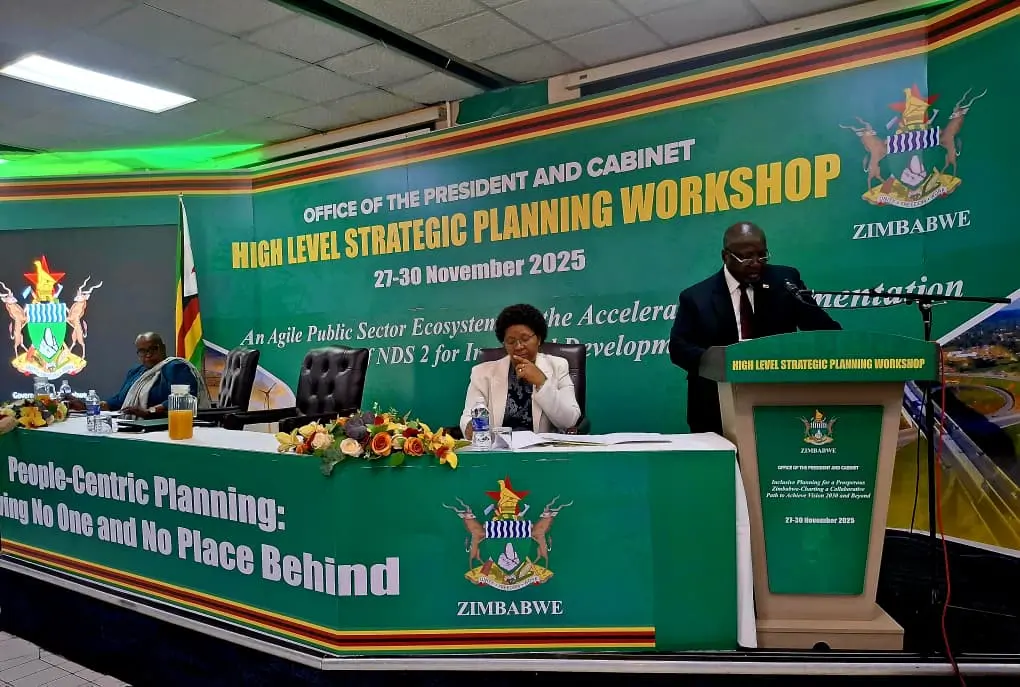
. . . ‘Zimbabwe is Open for Business’: Rwodzi Takes Tourism Gospel to Atlanta in Diaspora Investment Push
By Jonathan Mbiriyamveka
ATLANTA – With passion, data, and a clear vision, Zimbabwe’s Minister of Tourism and Hospitality Industry, Hon. Barbara Rwodzi, mounted a compelling charm offensive in Atlanta, Georgia, this week, urging the United States-based Zimbabwean diaspora to become active partners in the nation’s tourism-led economic transformation.
Delivering the keynote address at the Zimbabwe Diaspora Tourism Investment Forum, Minister Rwodzi left no doubt that the Second Republic is serious about engaging its citizens abroad and positioning Destination Zimbabwe as a prime investment destination.
“I stand before you not just as a Minister, but as a fellow Zimbabwean who believes in the boundless potential of our beloved country,” she told a packed audience of eager diaspora investors. “The Zimbabwe we left behind is not the Zimbabwe we are building today.”
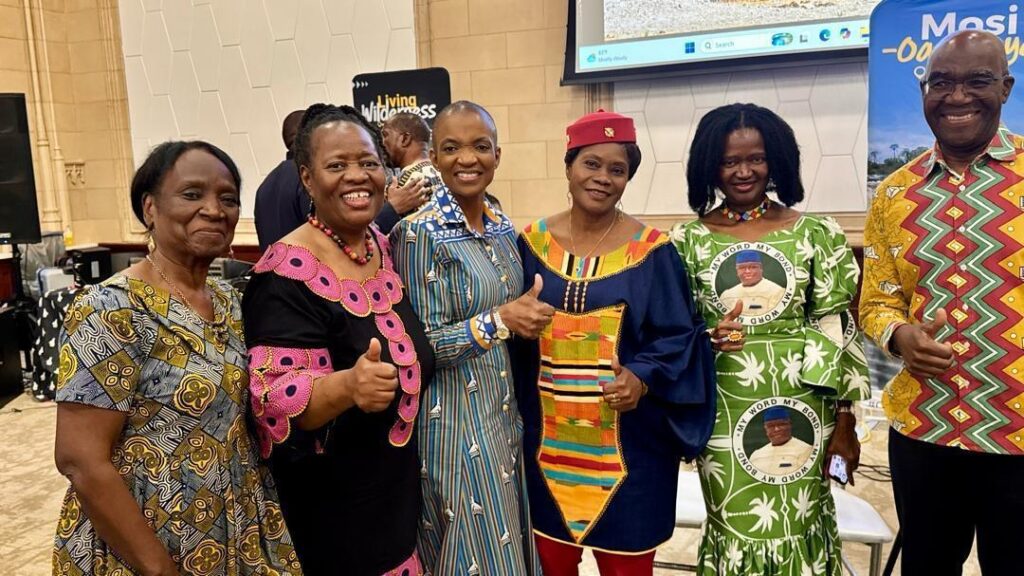
Soft Diplomacy in Action
The Forum, officiated by Minister Rwodzi, forms part of Government’s broader strategy to strengthen diaspora engagement and accelerate tourism-led economic transformation under Vision 2030 and the National Development Strategy 2 (2026–2030).
It also underscores the effectiveness of President Mnangagwa’s Engagement and Re-engagement Foreign Policy, underpinned by Soft Diplomacy and the principle that “Zimbabwe is a Friend to All and an Enemy to None.”
Welcoming delegates, Ambassador of Zimbabwe to the United States, His Excellency David Hamadziripi, commended Minister Rwodzi for elevating Destination Zimbabwe’s global profile through strategic tourism marketing, which continues to earn Zimbabwe international recognition.
“The Minister’s presence here today is a testament to the Government’s commitment to walking the talk,” Ambassador Hamadziripi said. “This is not just a speech; it is a promise backed by policy and action.”
A Sector Poised for Takeoff
Minister Rwodzi painted a vivid picture of a tourism sector bursting with untapped potential, describing it as a “low-hanging fruit and high-impact investment sector.”
She challenged the diaspora audience to see themselves not merely as remittance senders, but as co-owners of Zimbabwe’s tourism future.
“The United States-based diaspora contributes approximately 12% of Zimbabwe’s remittance inflows,” she noted.
“But remittances alone cannot build a nation. We need you to transform those remittances into investments – into hotels, conference centres, rural tourism lodges, and cultural heritage projects.”
Investment Opportunities Galore
The Minister unpacked a wide array of investment opportunities across the tourism value chain, including:
Accommodation and Conference Facilities
Rural Tourism
Cultural and Heritage Tourism
Gastronomy (culinary) Tourism
Renewable Energy
Waste Management
Community-Based Tourism
She highlighted improved air connectivity and the Ministry’s Tourism Cluster Strategy as key enablers, assuring investors that the regulatory environment has never been more investor-friendly.
Institutional Backing
The Minister’s pitch was reinforced by detailed presentations from the Zimbabwe Investment and Development Agency (ZIDA), the Reserve Bank of Zimbabwe, the Mosi-Oa-Tunya Development Company, and the Zimbabwe Tourism Authority. Each showcased competitive investment opportunities and the institutional support available to potential investors.
A Community Inspired
The Forum generated overwhelming interest from the Zimbabwe Atlanta community, with participants expressing a strong desire to invest back home and seeking clarity on opportunities across the tourism value chain.
Guided by Vision 2030, Agenda 2063, and the Sustainable Development Goals, the Minister reaffirmed the Government’s commitment to inclusive economic reforms founded on devolution, rural industrialisation, and the philosophy of leaving no one and no place behind.
The Road Ahead
As the Forum drew to a close, Minister Rwodzi left the Atlanta community with a final, stirring message:
“Zimbabwe is open for business. The door is wide open, the table is set, and your seat is waiting. Come home, invest home, and together, let us build the Zimbabwe we all dream of – an upper middle-income society by 2030.”
About Author