

By Jonathan Mbiriyamveka
Nestled in the scenic hills of Mazowe, Baradzanwa Cultural Village is more than a place—it is a living museum of Zimbabwean identity.
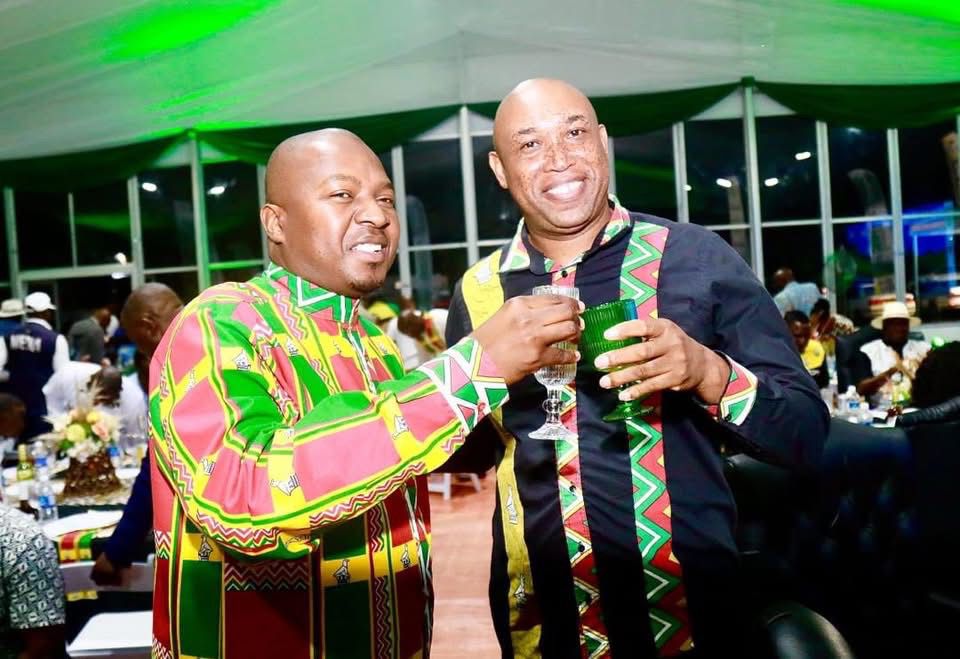
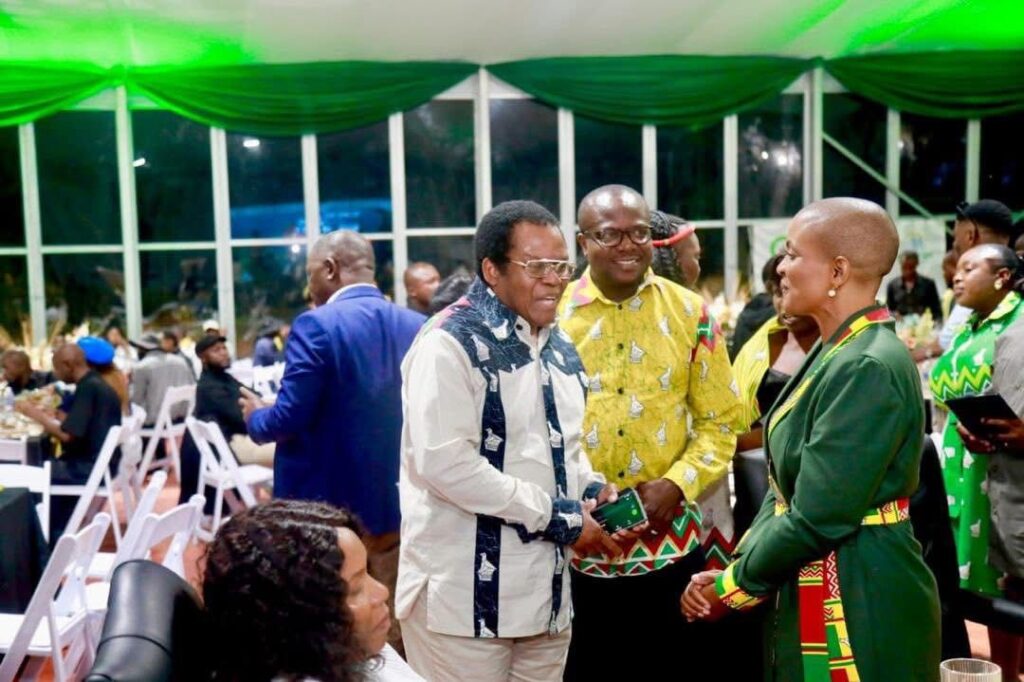
It was here, under the glow of a night woven with glitz and glamour, that the Nhaka Yedu, Ilifa Lethu, Our Heritage Domestic Tourism Drive was officially launched—marking a defining moment for local travel rooted in culture, tradition, and pride.
Presiding over the event on behalf of the Patron of Tourism and Hospitality Industry, Her Excellency the First Lady of the Republic of Zimbabwe Dr. Auxillia Mnangagwa, the Minister of Tourism and Hospitality Industry Hon. Barbara Rwodzi took center stage.
She reaffirmed that His Excellency the President Cde. Dr ED. Mnangagwa has set a clear national vision: an upper-middle-income economy by 2030, anchored on a Heritage-Based Economy.
In alignment with that vision, the Ministry has rolled out a Heritage-Based Strategy that places Zimbabwe’s culture, traditions, and identity at the very core of tourism development.
The Minister also praised the Patron’s visionary leadership in advancing Gastronomy Tourism—a transformative initiative celebrating Zimbabwean cuisine as a key tourism product.
That pioneering work has earned global acclaim, with UN Tourism crowning her the Queen of Gastronomy in Africa, and UNESCO recognizing her outstanding role in championing culture and heritage.
Through these efforts, Zimbabwe is driving authenticity and storytelling, positioning itself as a destination of choice for travelers increasingly drawn to raw, immersive cultural experiences.
Yet, at the heart of this growing appeal is the Zimbabwean people themselves—their warm, welcoming smile, an irreplaceable and God-given anchor of the nation’s tourism offering.
That same spirit of resilience, tenacity, and hard work flows across the country’s diverse attractions: from the thunderous Victoria Falls to the ancient stone walls of Great Zimbabwe, the misty Eastern Highlands, and the tranquil shores of Lake Kariba.
By telling these authentic stories, Zimbabwe offers more than sightseeing—it offers meaningful cultural connection.
The Ministry’s Tourism Cluster-Based Approach has further strengthened sector performance, with the Culture and Heritage Tourism Cluster and the MICE Tourism Cluster recording commendable success.
This momentum is reflected in tourism’s strong contribution of $1.3 billion to GDP in 2025, up from $1.1 billion in 2024—now accounting for 10% of national GDP while driving a 13% increase in domestic tourism trips.
From Mazowe to the world, Zimbabwe’s heritage is no longer just remembered—it is traveled.
#ExperienceZimbabwe
#DomesticTourismDrive
#NhakaYedu
#IlifaLethu
#OurHeritage
#ThisIsUs
#ZimBho👍
#NoChoiceButToCallitBeautiful
About Author

