

By Admore Mbonda, Kariba
In a heart-pounding tale that reads like a scene from a wildlife documentary, Last Chigohwe, a resident of Kariba, Zimbabwe, came face-to-face with a lioness during a night journey home.
Miraculously, he survived the harrowing encounter with only minor injuries after the lioness became distracted by the flashing headlights of passing vehicles, losing interest in her target.
The incident unfolded one night around 9 p.m. as Chigohwe and a friend returned from a fishing expedition on Lake Kariba. Just as they were nearing home, they encountered not one but two lions—a male and a lioness.
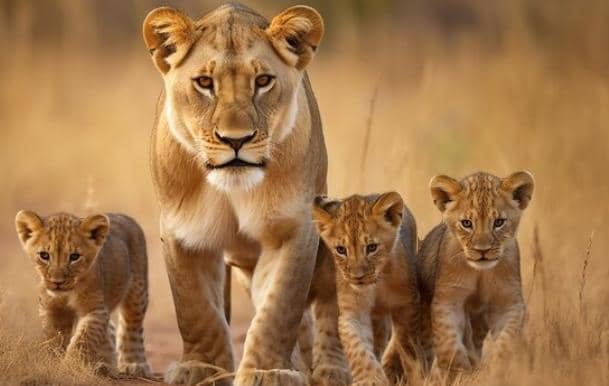
“I was attacked by both of them,” Chigohwe recounted, his voice still marked by the shock of his brush with death. “The lioness was especially relentless.”
The tense standoff quickly attracted the attention of nearby residents. Remigious Mudekwa, who lives close to the scene, heard the commotion while working in his garage.
“I heard screaming and this loud, unmistakable roar. Instinct kicked in—I knew something was very wrong,” he explained.
Mudekwa jumped into his car and sped towards the sounds. Arriving at the scene, he caught sight of the lioness disappearing into the bushes, leaving Chigohwe shaken and collapsed on the ground.
But the danger was far from over. As Mudekwa began to drive Chigohwe to safety, the lioness re-emerged, chasing his vehicle for nearly two kilometers. “She was persistent,” Mudekwa recalled. “I’ve never experienced anything like it. The fear was real.”
Quick thinking proved to be Chigohwe’s saving grace. With the lioness just meters away, he resorted to loud clapping, high-pitched yelling, and waving his jacket in a desperate attempt to scare her off. “In those moments, you don’t have time to think—you just act,” Chigohwe reflected later. His instinctual moves likely made all the difference.
Chigohwe’s terrifying encounter highlights a growing problem in Kariba: the escalating conflict between humans and wildlife. With human settlements expanding closer to natural habitats, incidents like these are becoming more frequent. This year alone, fifteen people have lost their lives in animal attacks in the area, with more than twenty others injured.
As Chigohwe recovers from his ordeal, his story has quickly spread throughout the community, sparking urgent conversations about safety and coexistence. Residents are increasingly aware of the risks of living so close to the wilderness, especially as they engage in fishing, farming, and other activities near wildlife habitats.
“The fear is real, but it’s important to respect the wildlife around us,” Chigohwe said. His experience serves as a sobering reminder of the beauty and danger that coexist in Kariba, where humans and animals live in close quarters.
As the community grapples with this reality, many hope for measures that will help them live safely alongside these majestic but formidable creatures
About Author

