

Staff Writer
UN Resident Coordinator in Zimbabwe ad interim Ms Francesca Erdelmann says Sub-Saharan African countries bear the heaviest burden of Antimicrobial Resistance (AMR)-associated mortality with 99 deaths per 100,000 people.
In 2019 alone, antimicrobial-resistant infections claimed 4.9 million lives globally, surpassing the combined death toll from HIV/AIDS and malaria.
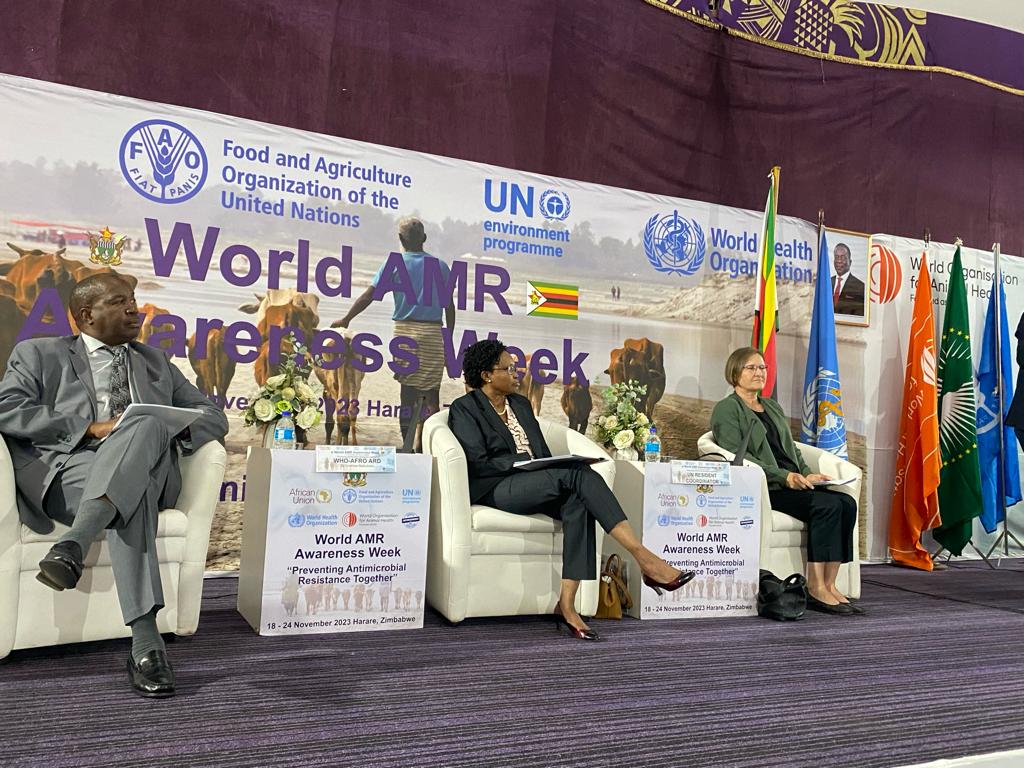
Speaking at World Antimicrobial Resistance (AMR) Awareness Week on behalf of the UN Country Team and the UN Resident Coordinator in Zimbabwe, Mr. Edward Kallon, Ms Erdelmann said it was crucial to take urgent multisectoral action to address this global health and development threat.

“In sub-Saharan Africa, the threat of AMR primarily arises from unregulated and inappropriate use of antimicrobials across various sectors, including human, animal, and plant use.
“Misuse and overuse of antimicrobials are major drivers in the development of drug-resistant pathogens. Inadequate access to clean water, lack of sanitation, and insufficient infection prevention and control measures further contribute to the spread of antimicrobial-resistant microbes,” Ms Erdelmann said.
She said the economic cost of AMR was significant, with health complications resulting in longer hospital stays, increased expenses for medicines, and financial hardships for those affected.
“Without effective antimicrobials, the success of modern medicine in treating infections, including during major surgeries and cancer chemotherapy, would be at risk,” she said.
This year’s theme, “Preventing Antimicrobial Resistance Together,” underscores the need for urgent multisectoral action under the One Health Approach to safeguard the effectiveness of antimicrobial medicines.
AMR is a global event, taking place from 18 to 24 November each year, serves as a momentous occasion to raise awareness and take action against the growing threat of antimicrobial resistance.
The World Health Organization has identified AMR as one of the top 10 global public health threats facing humanity.
The upcoming UNGA 2024 High-level Meeting on AMR will provide an opportunity to set new targets and practical steps to address AMR.
Heads of Government, Government Ministers, and political leaders will gather to discuss effective approaches to combating AMR at local, national, and global levels, considering aspects such as funding, policy development, and international collaboration.
About Author

