By Jonathan Mbiriyamveka
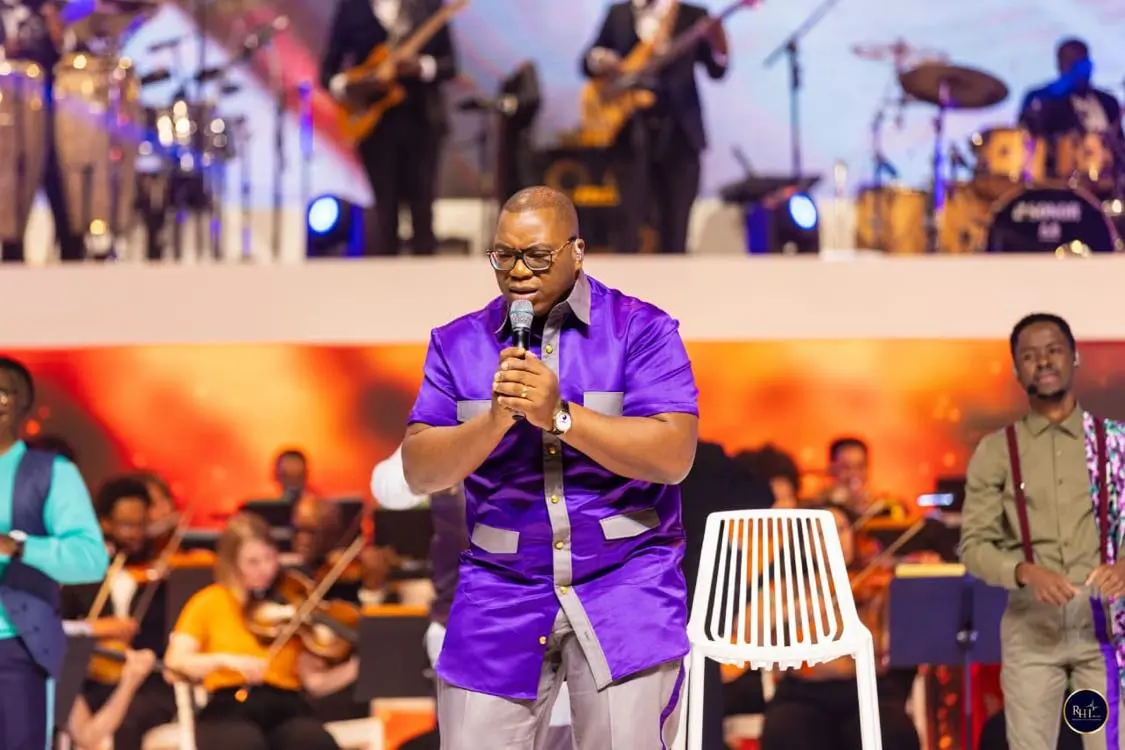
There’s a certain kind of joy that bubbles up when you ask Minister Nkosi Herman about May 25.
His eyes light up. His voice quickens. He starts talking like a man already hearing the choir sing.
“I’m so excited,” he says, almost bursting. “Monday, the 25th of May, at the Ekhaya Festival—it’s going to be a powerful atmosphere. Worship. Celebration. Unforgettable moments together.”
For Herman, this isn’t just another gig on the gospel circuit. It’s personal.
In a post on Instagram that has since sparked hundreds of excited comments, he wrote: “I can’t wait to lift up the name of Jesus with thousands of people gathered in one place! Sid! Make sure you secure your FREE ticket now at Tikiti. See you at Ekhaya Festival! Destiny ceiling solution.”
The words “destiny ceiling solution” aren’t random. For those who know him, it’s his signature—a reminder that no matter how high life’s walls feel, worship can crack them open.
And he won’t be alone.
The festival, set for Hartsfield Sports Grounds in Bulawayo, has quickly become more than an event. Ask anyone who attended last year.
They’ll tell you about strangers becoming prayer partners, about tears shed in open fields, about leaving feeling lighter than they’d felt in months.
This time, the organisers have thrown in something extra: Chicken Slice has come on board as a sponsor. It sounds small, but to the worshippers traveling for hours by bus or on foot, a warm meal before a night of praise feels like a hug from home.
“The countdown continues!” the festival announced on social media. “We are excited to have Chicken Slice on board. Let’s gather in worship like never before!”
For gospel minister Everton Mlalazi—the soft-spoken but fiery-voiled leader of this movement—every new sponsor, every new face, every new voice feels like a sign.
What started as a single night of music has become a pilgrimage. From Bulawayo’s dusty streets to the Limpopo’s border, worshippers are already planning their journey. By bus. By car. On foot, if they have to.
And the lineup? It reads like a prayer answered.
South Africa’s Zanele “Zaza” Mokhethi is flying in again—after her 2025 performance left people in tears. Oncemore Six, who headlined the very first festival, returns with songs that feel like old friends: Ohlonitshwayo, Themba Lendawo Yonke, Umkhuleko WeBandla.
Then there’s Takesure Zamar Ncube, whose new single Rubatsiro is already being called “a hymn for the weary.” And the moment everyone’s whispering about? A joint performance of Zuva Rangu—Ncube and Mlalazi together, on one stage, singing like brothers.
The stage will barely hold them all: Dumi Mkokstad, Canaan Nyathi, the haunting harmonies of Reality 7, Dunamis Men, Conquerors, Pastor Barak Family, Zimpraise, Family Voices, Mai Mwamuka, Lorraine Maplanka, Vocal Ex, Blessing Jeduthun.
And at the centre of it all, Mlalazi himself—unveiling songs from his new album Great God.
“It’s not about me,” he says quietly. “It’s about that person who’s been carrying something heavy. They come here, they eat, they sing, they cry if they need to. And they leave… lighter.”
Minister Nkosi Herman couldn’t agree more.
“Thousands of people. One place. One name,” he says, smiling. “That’s Ekhaya.”
As Africa Day approaches, one thing is clear: Ekhaya isn’t just a festival anymore.
It’s a homecoming.
About Author